Hill Country Wells Behave Differently
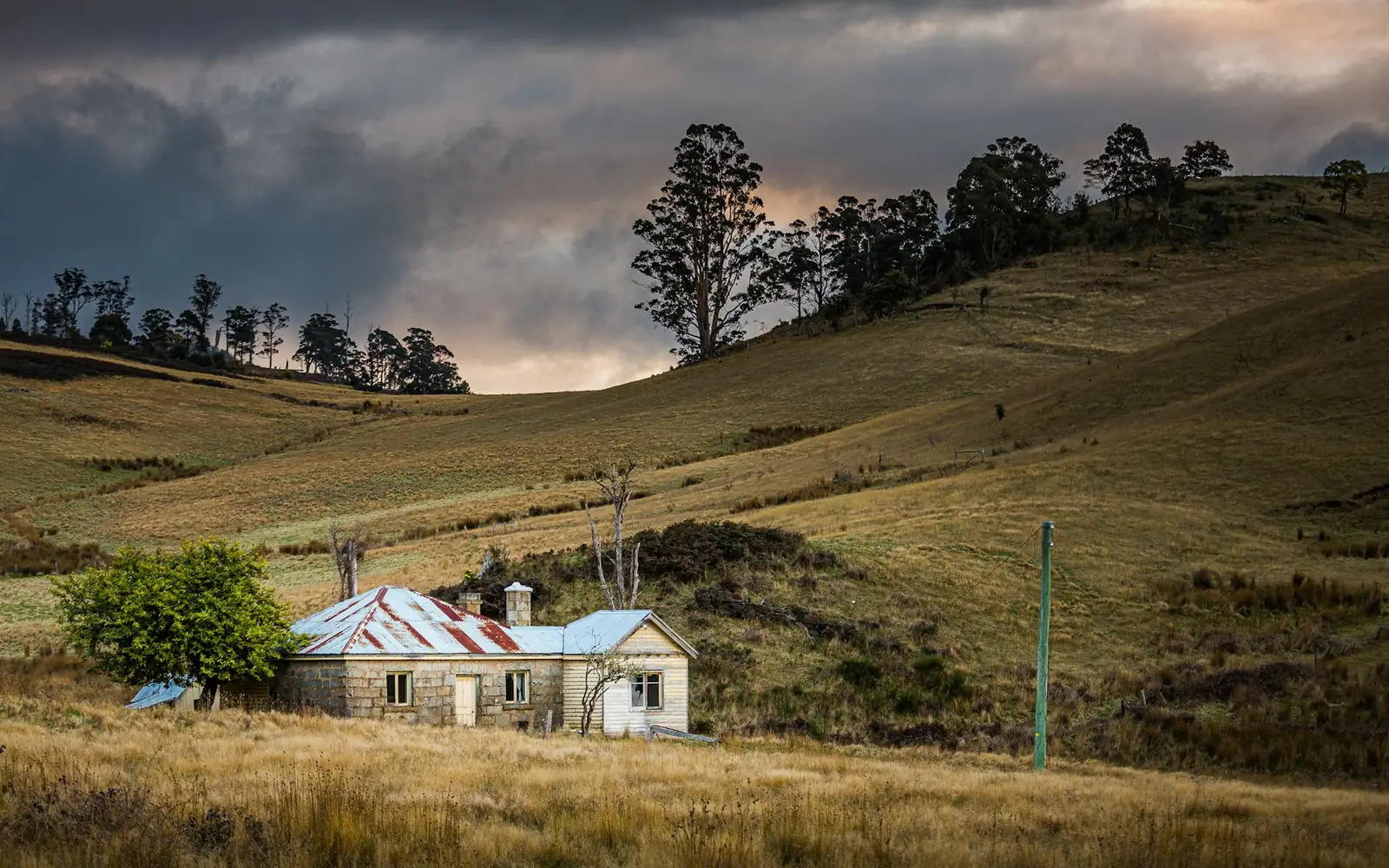
Terrain changes quickly around Elkins, and so do wells. A home on a ridge may sit over a much deeper well than one down near the river, even when the two are close together. Deeper wells usually mean larger pumps, longer runs of wire and pipe, and more work to pull equipment when something fails.
Steep driveways and wooded lots can also affect how a contractor gets a pump rig to the wellhead, so mention access when you call. If the well sits behind a gate or down a rough track, say so up front; it helps the pro bring the right equipment the first time.
What Tends to Go Wrong
- Lightning damage to pumps and control boxes on exposed ridgetops
- Cloudy or muddy water after heavy rain on karst limestone
- Pumps that lose prime or pull air when water levels drop
- Frozen pipe in well houses during ice storms
- Worn wire splices deep in older wells
Planning for a Repair
Because deeper wells take longer to work on, it helps to keep some drinking water and a few jugs for flushing on hand during winter and storm season. When the contractor visits, ask what depth your pump is set at and write it down for future reference.
Fayetteville Well Pump Repair connects you with independent pros who work in the Elkins area; we do not do the work ourselves. Our main site's cost guide shows typical ranges in the area, and your contractor quotes the final price.
Elkins questions
Why does my well water turn cloudy after big storms in Elkins?
The limestone under much of this area has cracks and channels that let rainwater move quickly underground, which can stir up sediment. If cloudiness lingers or the taste changes, have the water tested and ask a well pro to check the cap and casing.
Does a deep well on a ridge cost more to repair?
It can, since there is more pipe and wire to pull and deeper wells may need a larger pump. Your contractor will look at your specific well and quote the final price before starting.